Transforming the riverfront: Zibi’s vision coming to life
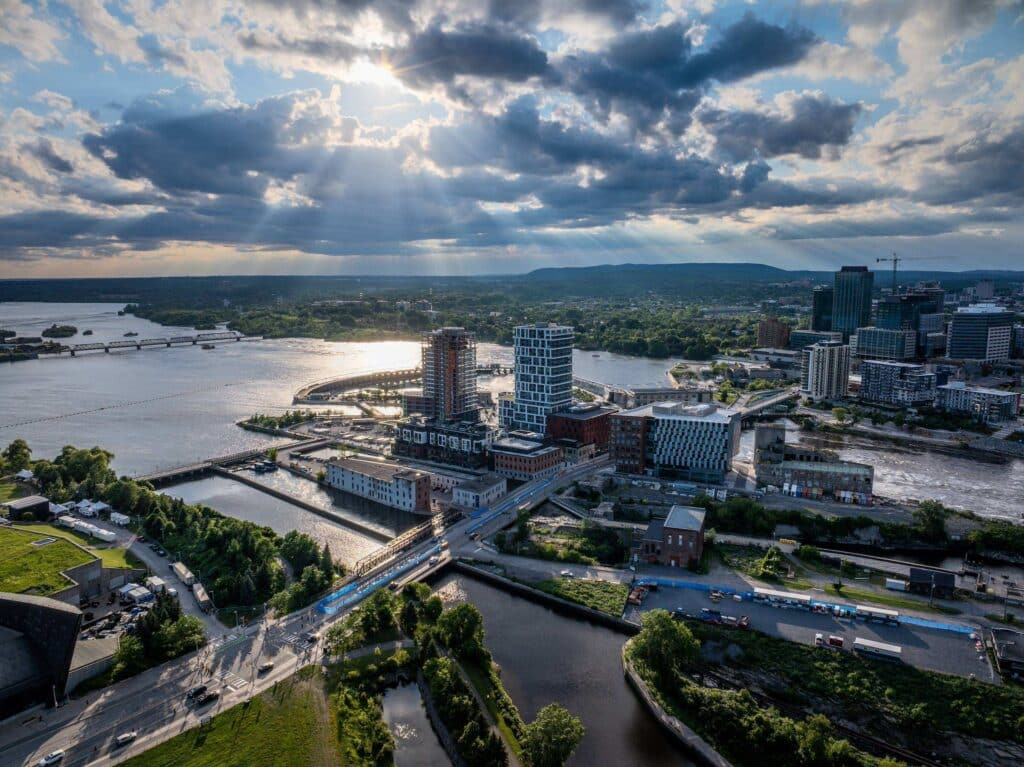
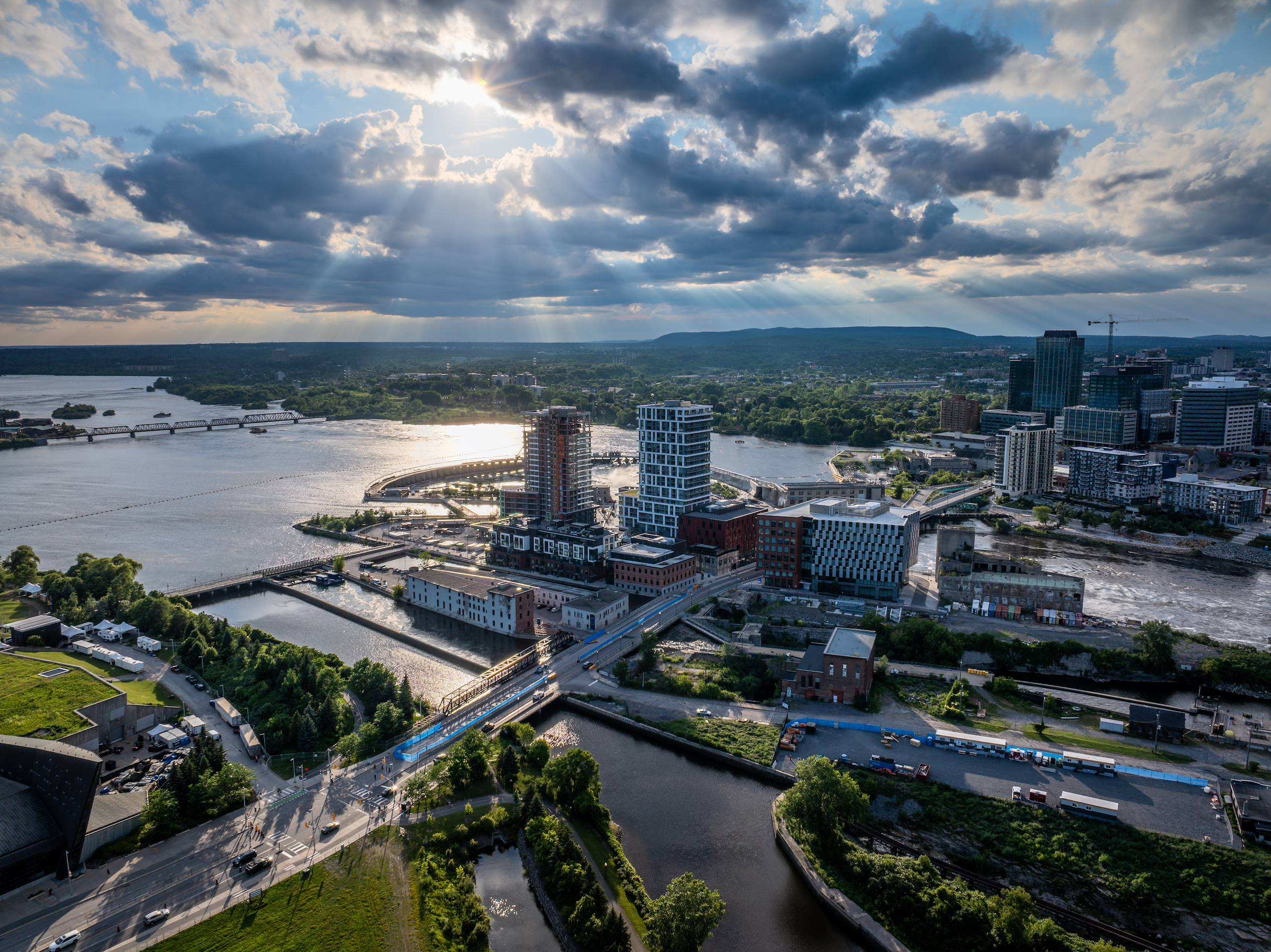
For decades, the 34-acre brownfield site straddling the Ottawa River between Ottawa and Gatineau sat as a silent reminder of the region’s industrial past. Today, that legacy is being rewritten. Zibi is fast turning one of Canada’s most ambitious master plans into a vibrant, sustainable reality.
Guided by the 10 principles of the One Planet Living® framework, Zibi was designed to be more than just a real estate development; it was planned as a zero-carbon, culturally inclusive, walkable neighbourhood.
Looking at the waterfront today, the vision is no longer just a model in a showroom. It is coming into focus with each new build and each new resident and visitor; it is fast becoming reality.
Key milestones achieved to date
- Zero-carbon District Energy System: At the heart of Zibi’s environmental commitment is its fully operational District Energy System (DES). By capturing post-industrial waste heat from the adjacent Kruger tissue mill in Gatineau and using water from the Ottawa River for cooling, the utility heats and cools Zibi’s buildings across both provinces with zero reliance on fossil fuels.
- Thousands of residents calling Zibi home: Zibi has transitioned from a remediation zone into a living, breathing community. Residential developments like O, Kanaal, Aalto I and Aalto II, and Voda have welcomed hundreds of residents, offering a mix of market rentals, condos, co-living options, and dedicated affordable housing, with state-of-the-art shared spaces and breathtaking views of the majestic Chaudière Falls, Parliament of Canada and the Ottawa River.
- Heritage meets modern workspace: Industrial brick and timber structures in Ottawa and Gatineau have been carefully preserved and transformed into unique commercial spaces alongside modern builds, bringing hundreds of government and private sector employment to the waterfront.
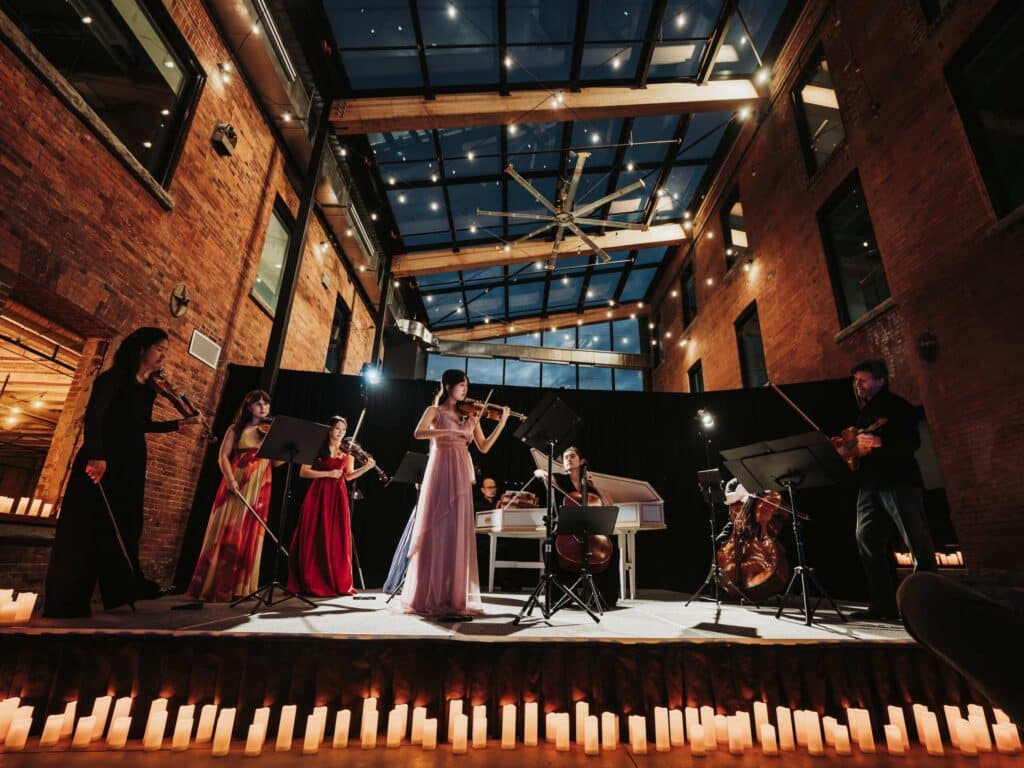
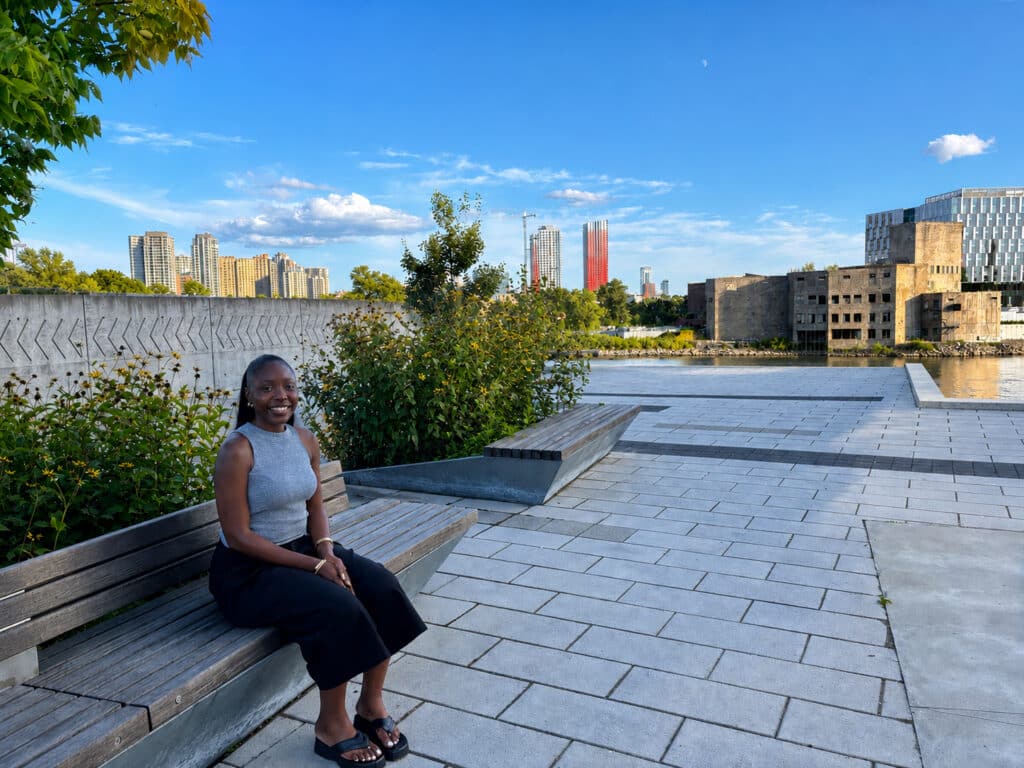
- Animated public spaces: Public spaces like Pangishimo Park, Tesasini Park, and Head Street Square give residents and visitors direct waterfront access to fun events like Music in the Park, Dance at Zibi, Capital Pop-up Cinema, and Urban Arts Collective’s Night Markets.
- Cultural and industrial heritage: More than half of the public artwork across the site is created by local and Indigenous artists, and the streets and parks are all named to commemorate the history and influence of the French, English and Algonquin cultures on the site. A reclaimed pulper from the Domtar plant has been transformed into public art near Voda, and many of Zibi’s wooden and metal features such as benches and light fixtures have been repurposed from the site’s factories.
- Connecting with car-free living: With its proximity to both Gatineau and Ottawa downtowns, multi-use parkways, bus stops and the light rail train in Ottawa, Zibi is one of the region’s most walkable and connected neighbourhoods. Car sharing, bike repair shops, and soon to come woonerfs, make Zibi the place to be to live a highly coveted car-free lifestyle.
What’s next?
While Zibi has already hit major community-building milestones like creating community gardens and hosting community repair cafes, pop-up markets, as well as welcoming tens of thousands of visitors annually, the journey continues. As new residential rental buildings, retail spaces, and additional plazas and parks roll out over the coming years, Zibi stands as a proven blueprint for sustainable, post-industrial urban renewal across North America.
To learn more about Zibi, register at zibi.ca and follow us on Instagram.